
Why Touchless Dispensers Are Becoming Essential in Qatar Workplaces?
Maintaining hygiene in workplaces has become a top priority across the globe, and Qatar is no exception. The rise of contagious illnesses and the growing awareness of health safety have pushed companies to rethink their hygiene practices. One solution gaining rapid popularity is the use of touchless dispensers in Qatar workplaces. These devices offer a practical way to reduce the spread of germs while promoting a cleaner, safer environment for employees and visitors alike.

The Growing Need for Hygiene Solutions in Qatar Workplaces
Qatar's workplaces range from bustling offices and factories to educational institutions and healthcare centers. In all these settings, hygiene plays a critical role in protecting health and maintaining productivity. The COVID-19 pandemic accelerated the demand for hygiene solutions, but even beyond the pandemic, the importance of reducing contact with shared surfaces remains clear.
Traditional dispensers require users to press a lever or pump, which can become a hotspot for germs. Touchless dispensers eliminate this risk by using sensors to dispense soap, sanitizer, or paper towels without physical contact. This simple change can significantly reduce the transmission of bacteria and viruses in shared spaces.
Benefits of Touchless Dispensers in Qatar Workplaces
1. Improved Hygiene and Reduced Germ Transmission
Touchless dispensers help prevent cross-contamination by removing the need to touch surfaces that many people use. This is especially important in high-traffic areas such as entrances, restrooms, and cafeterias. Studies show that reducing surface contact can lower the spread of pathogens, which helps keep employees healthier and reduces sick days.
2. Convenience and User-Friendly Design
Employees and visitors appreciate the ease of use that touchless dispensers provide. The automatic sensors deliver the right amount of sanitizer or soap quickly, making hand hygiene more accessible and encouraging regular use. This convenience supports a culture of cleanliness without disrupting daily routines.
3. Cost-Effective and Efficient Use of Supplies
Touchless dispensers often control the amount of product dispensed, reducing waste compared to manual dispensers. This efficiency helps workplaces manage supply costs better while ensuring that hygiene products last longer. For example, many offices in Doha have reported a 20% reduction in sanitizer use after switching to touchless models.
4. Enhancing Workplace Image and Compliance
Installing touchless dispensers signals a company’s commitment to employee well-being and public health. This can boost morale and reassure clients or visitors that the workplace prioritizes safety. Additionally, many Qatar workplaces must comply with health and safety regulations that encourage or require hygienic practices, making touchless dispensers a practical compliance tool.
Practical Examples of Touchless Dispensers in Qatar Workplaces
Healthcare Facilities
Hospitals and clinics in Qatar have been among the first to adopt touchless dispensers widely. In these environments, preventing infection is critical. Touchless dispensers placed at patient rooms, waiting areas, and nurse stations help reduce the risk of healthcare-associated infections.
Corporate Offices
Large office buildings in Doha have installed touchless hand sanitizer stations at entrances, elevators, and meeting rooms. This encourages employees to sanitize their hands frequently, especially after touching shared surfaces like door handles or printers.
Educational Institutions
Schools and universities in Qatar use touchless dispensers in classrooms, cafeterias, and libraries. This supports students and staff in maintaining hygiene, which is essential for minimizing outbreaks and keeping schools open.

Choosing the Right Touchless Dispensers for Your Workplace
When selecting touchless dispensers, consider the following factors:
Type of product dispensed: Hand sanitizer, liquid soap, or paper towels.
Sensor sensitivity: Should work reliably without false triggers.
Capacity: Larger units reduce the frequency of refills in busy areas.
Power source: Battery-operated or plug-in options depending on location.
Durability: Especially important in high-use or outdoor areas.
Design and aesthetics: Should blend well with the workplace environment.
Many suppliers in Qatar offer a range of models tailored to different needs. For example, some dispensers come with refill indicators or antimicrobial coatings for added hygiene.
Maintenance and Best Practices
To keep touchless dispensers effective, regular maintenance is essential:
Check and refill supplies frequently to avoid empty dispensers.
Clean the sensor and dispenser surface to prevent buildup that could affect performance.
Train cleaning staff on proper handling and troubleshooting.
Monitor usage patterns to adjust placement or quantity of dispensers as needed.
By following these steps, workplaces can ensure that touchless dispensers continue to support hygiene goals effectively.
The Future of Hygiene in Qatar Workplaces
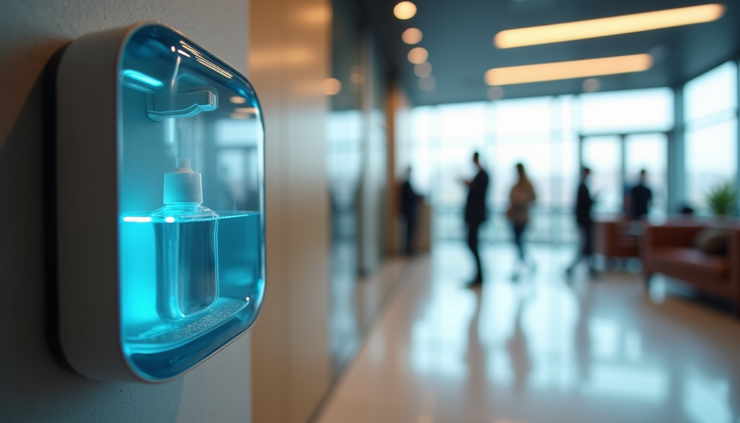
The adoption of touchless dispensers in Qatar is part of a broader shift towards safer, healthier workplaces. As awareness of hygiene grows, these devices will likely become standard in offices, schools, healthcare, and public spaces. Advances in technology may bring even smarter dispensers that track usage data or integrate with building management systems.
For businesses, investing in touchless dispensers is not just about meeting current health concerns but building resilience against future challenges. It creates a safer environment that supports employee well-being and operational continuity.


Comments